- +33.3.20.25.71.70

- Solutions
Nos solutions
Des solutions pensées pour faire vivre les compétences
De la formation à l'adoption, combinez contenus, plateforme, IA et accompagnement selon les besoins de votre organisation.
Mandarine AdoptionAncrer durablement les nouveaux usages
Mandarine LMSDéployer et piloter vos formations
Mandarine CatalogDes contenus prêts à l'emploi
Mandarine AIPersonnaliser l'apprentissage grâce à l'IA
Mandarine for TeamsFormer directement dans Microsoft Teams
Mandarine PlannerOrganiser vos sessions de formation

Faites vivre les compétences au quotidien
De la formation à l'adoption, Mandarine Academy vous aide à transformer les nouveaux outils en usages réellement maîtrisés.
Découvrir nos solutions - Formations
Nos formations
Des compétences aux nouveaux usages
Microsoft 365, intelligence artificielle, cybersécurité, soft skills, RSE… Des formations conçues pour accompagner les usages professionnels au quotidien.
Intelligence Artificielle
- Expertises
Nos expertises
De la technologie aux usages
Nos experts vous accompagnent dans vos projets de transformation pour faciliter l'adoption des outils et ancrer durablement les nouveaux usages.
- Expériences pédagogiques
Nos expériences pédagogiques
Faites de la formation une expérience à vivre.
Nous imaginons des dispositifs qui favorisent la participation, l'expérimentation et l'engagement des apprenants.
E-learning sur mesureDes contenus conçus pour vos besoins
Formation en visioconférenceApprenez en direct avec un formateur
Mandarine CreatorCréez rapidement vos propres contenus
Cas clients & réalisationsDécouvrez les expériences déjà imaginées
Serious games & gamificationApprenez en jouant et en expérimentant
Jeux sur plateauFaites vivre l'apprentissage collectivement
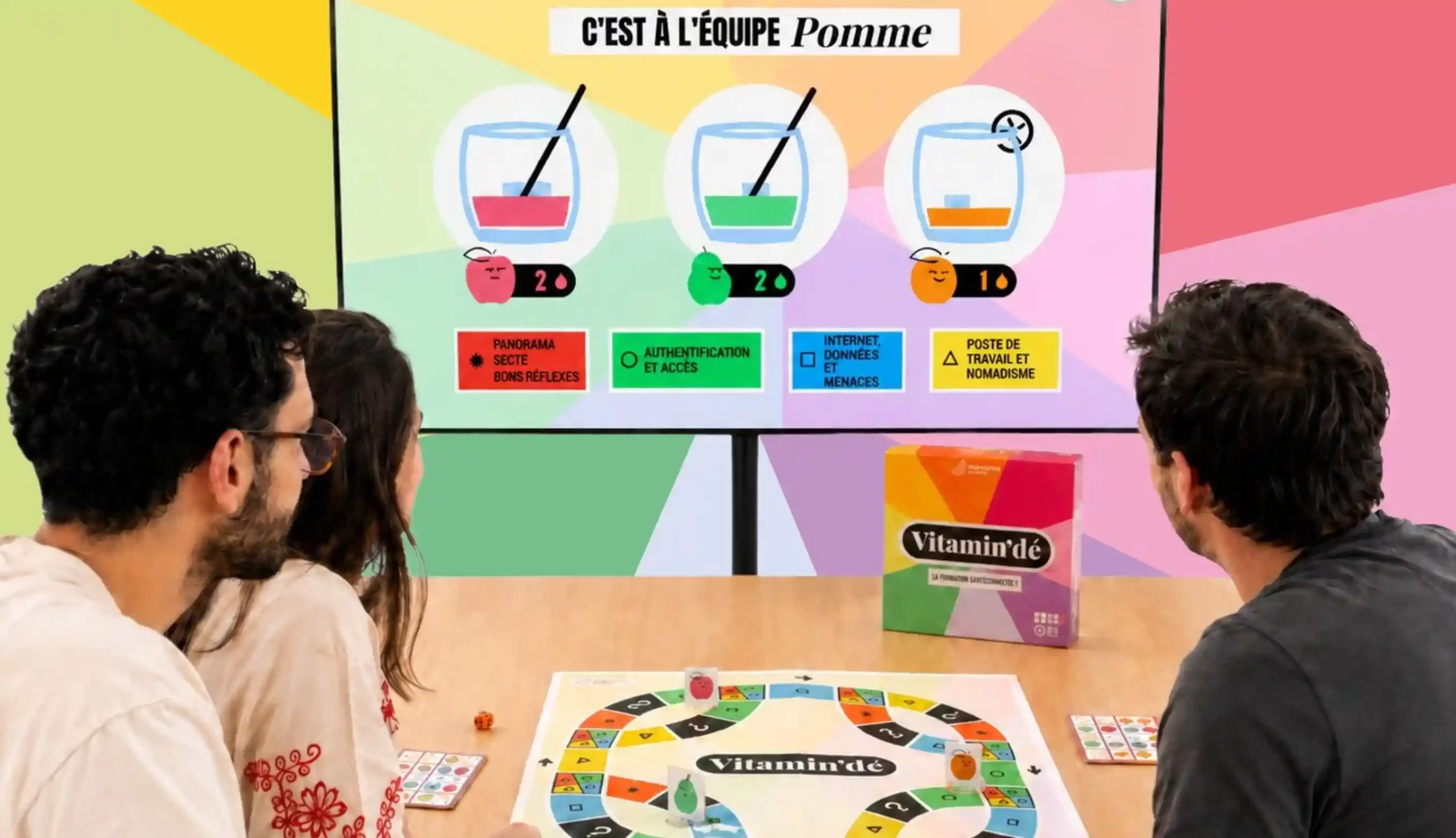
Créez des expériences qui engagent
E-learning, classes en direct, gamification ou dispositifs sur mesure : choisissez le format qui donnera envie de participer et d'apprendre.
Découvrir nos réalisations - Ressources
Ressources
Des contenus pour comprendre, approfondir et passer à l'action.
Retrouvez nos analyses, conseils et ressources autour de la formation, de l'adoption et des nouveaux usages numériques.
Nouveau guide : de l’outil à l’usage
Comment faire adopter durablement les nouveaux usages numériques ?
Télécharger le guide
- Nos solutions
Nos solutions
Faire adopter les nouveaux usages. Faire vivre les compétences.
Nous accompagnons les organisations dans le développement des compétences et l'adoption durable des nouveaux usages numériques.
Nos clients
Des organisations de toutes tailles nous font confiance.
Nous accompagnons acteurs publics et entreprises dans leurs projets de formation, de transformation et d'adoption.
Nos engagements
Mettre le numérique et la formation au service de tous.
Nous agissons pour rendre les compétences plus accessibles et faire progresser les usages de manière responsable.